Dust collector filters should be replaced when they can no longer maintain acceptable airflow and filtration after cleaning and system issues have been addressed. That applies to both filter bags and cartridges.
There is no universal replacement schedule. Dust type, operating hours, moisture, temperature, and cleaning performance all affect filter life. Tracking performance and inspecting filter condition will give you a better basis for replacement than calendar age alone.
1. Monitor Differential Pressure
Differential pressure measures resistance to airflow across the filters. As dust builds up, pressure often increases. The collector’s cleaning system should help control that buildup.
Watch for:
- Pressure that stays above the manufacturer’s recommended operating range.
- Pressure that no longer returns to its usual level after cleaning.
- Rising pressure combined with reduced airflow or poor dust capture.
There is no single pressure reading that means every collector needs new filters. Compare readings with the equipment manufacturer’s guidance and your system’s normal operating history.
Before replacing filters, verify the pressure reading and check the cleaning system. A compressed-air problem, failed valve, or faulty control can prevent otherwise usable filters from cleaning properly.
2. Check Airflow and Dust Leakage
Reduced suction at collection points can indicate restricted filters, but it can also result from blocked ductwork, damper changes, or fan problems. Check the system before assuming a filter change will solve the issue.
Dust appearing on the clean side of the collector or at its discharge also requires investigation. Torn media, failed seals, or improper installation may allow dust to bypass the filters.
A normal differential-pressure reading does not rule out leakage. Evaluate pressure, airflow, and filter condition together.
3. Inspect Bags and Cartridges for Different Types of Damage
Follow your facility’s shutdown, isolation, and dust-handling procedures before opening the collector.
| Filter type | What to inspect |
|---|---|
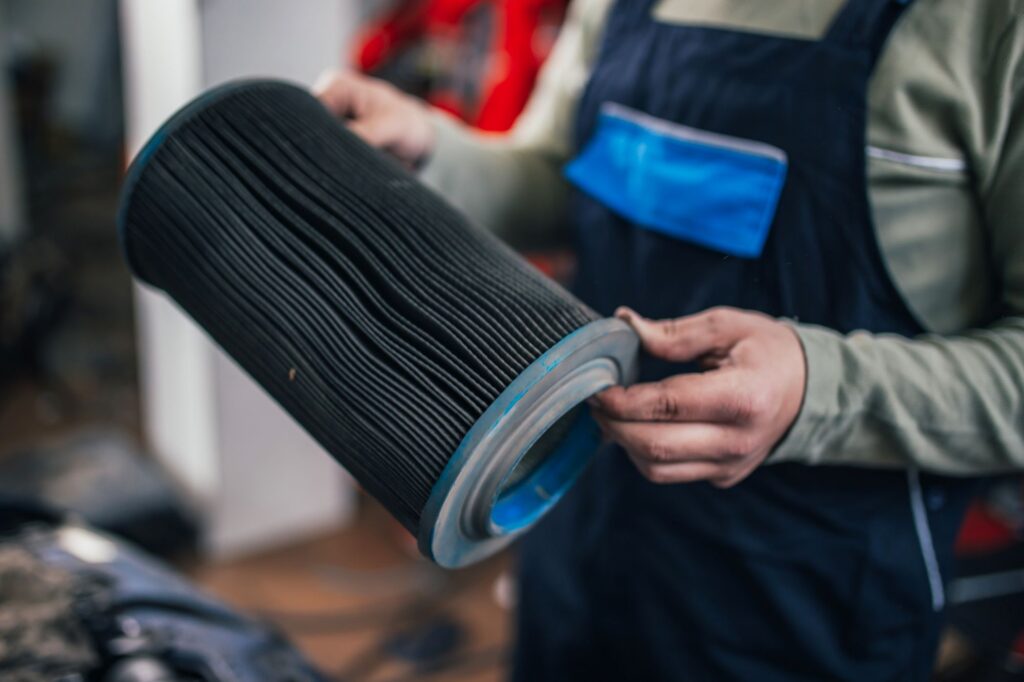
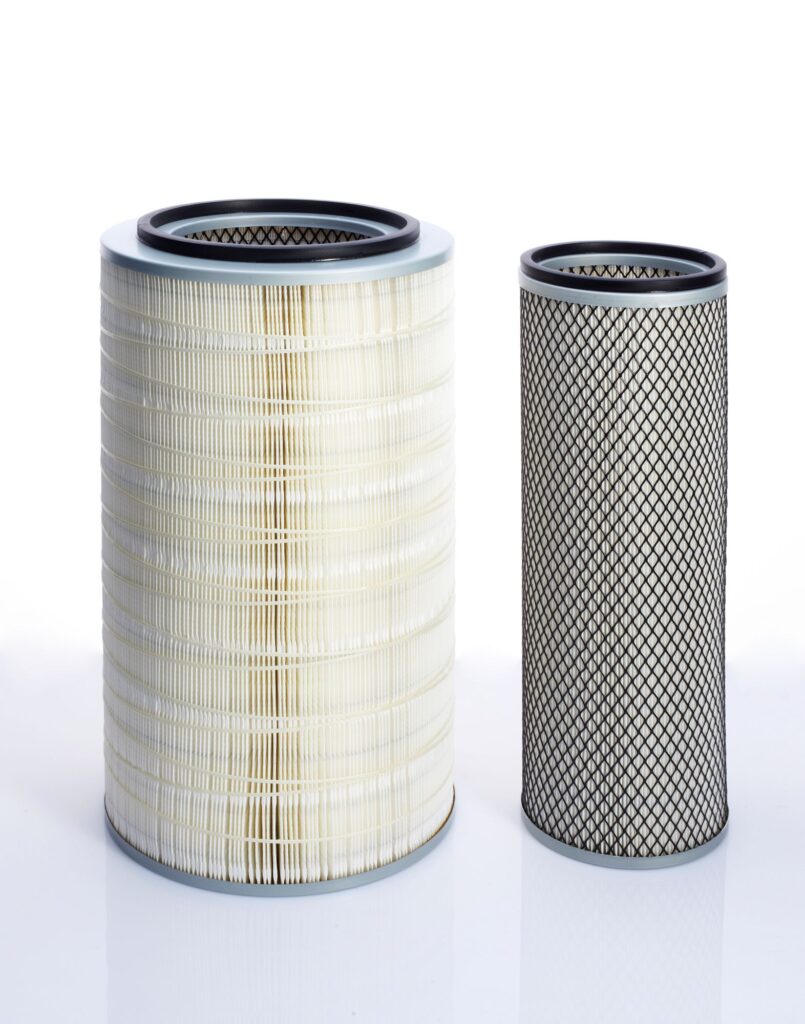
| Cartridges | Torn or collapsed pleats, plugged spaces between pleats, loose end caps, and damaged gaskets |
| Filter bags | Holes, thinning fabric, open seams, damaged cuffs or snap bands, and brittle material |
| Support cages | Broken wires, corrosion, bent sections, or rough surfaces that can damage bags |
Significant media or structural damage generally calls for replacement. Installation and sealing problems must also be corrected before the collector returns to service.
For baghouses, replacing a worn bag without addressing a damaged cage can lead to another early failure.
4. Consider Why the Filters Are Wearing Out
If filters fail sooner than expected, investigate the cause before ordering the same replacement again.
Common contributors include:
- Heavy dust loading or abrasive particles.
- Moisture, condensation, or oil contamination.
- Temperature or chemical exposure.
- Media that does not suit the application.
- Ineffective cleaning or incorrect installation.
Record installation dates, pressure trends, maintenance work, and visible damage. That history helps identify recurring problems and plan future changeouts.
Our guide to common causes of premature filter failure explains these issues in more detail.
5. Compare Cleaning and Replacement
Cartridges loaded with dust may qualify for professional cleaning or reconditioning if the media, end caps, and seals remain suitable for reuse. Suitability also depends on the collected material and contamination.
Filters with torn media, major structural damage, or sealing problems that cannot be reliably corrected generally need replacement. Filter-bag cleaning and reuse require a separate application review.
See our filter reconditioning versus replacement comparison for an example of the potential cost difference.
FAQ
How long do dust collector cartridge filters last?
Service life varies by application. Use operating history, pressure trends, airflow, and physical condition to determine replacement timing. A calendar interval alone cannot establish whether a cartridge is still performing adequately.
When should baghouse filter bags be replaced?
Replace bags when damage, deterioration, leakage, or persistent restriction prevents acceptable performance. Inspect cages and attachment points during the changeout to address underlying problems.
Need Help Evaluating Your Filters?
Dust Filter Shop supplies replacement filter bags, pleated bags, and cartridges, along with professional cartridge filter cleaning.
Send us your collector model, current filter part number, dust type, and the problems you’re experiencing. We can help review cleaning and replacement options for your application.
Request a quote to get started.