The right replacement dust collector cartridge filter must fit the equipment, seal correctly, and handle the dust and operating conditions in your facility.
Dimensions are only part of the decision. Media, mounting configuration, filtration performance, and cleaning compatibility also matter. Two cartridges that look alike may perform differently or fail to seal in the same collector.
Use the following steps to identify a suitable replacement and avoid unnecessary ordering delays.
1. Find the Part Number and Collector Model
Start with the part number on the existing cartridge, original packaging, or a previous purchase order. Record the collector manufacturer and model as well.
Include the complete part number, including any suffixes that identify media or construction options. Photos of the label and both ends of the cartridge can help confirm the configuration.
A part number provides a starting point for cross-referencing. Tell your supplier if the existing filters plugged quickly, leaked, or failed prematurely. Matching the old filter may not address the reason it performed poorly.
If you are unsure whether replacement is necessary, read our guide to when to replace dust collector filters.
2. Confirm Dimensions and Mounting Style
If the label is missing or unreadable, measurements and photos can help identify the cartridge.
| Detail | What to provide |
|---|---|
| Overall length | End-to-end measurement, noting whether it includes the gasket |
| Outside dimensions | Outside diameter for round cartridges; both dimensions for oval designs |
| Inside opening | Inside diameter or opening dimensions |
| End configuration | Open, closed, or closed with a bolt hole |
| Mounting style | Flange, bolt, twist-lock, or another attachment |
| Gasket | Location, shape, and dimensions |
Confirm the supplier’s measurement conventions before ordering. Worn gaskets and damaged end caps can make measurements less reliable.
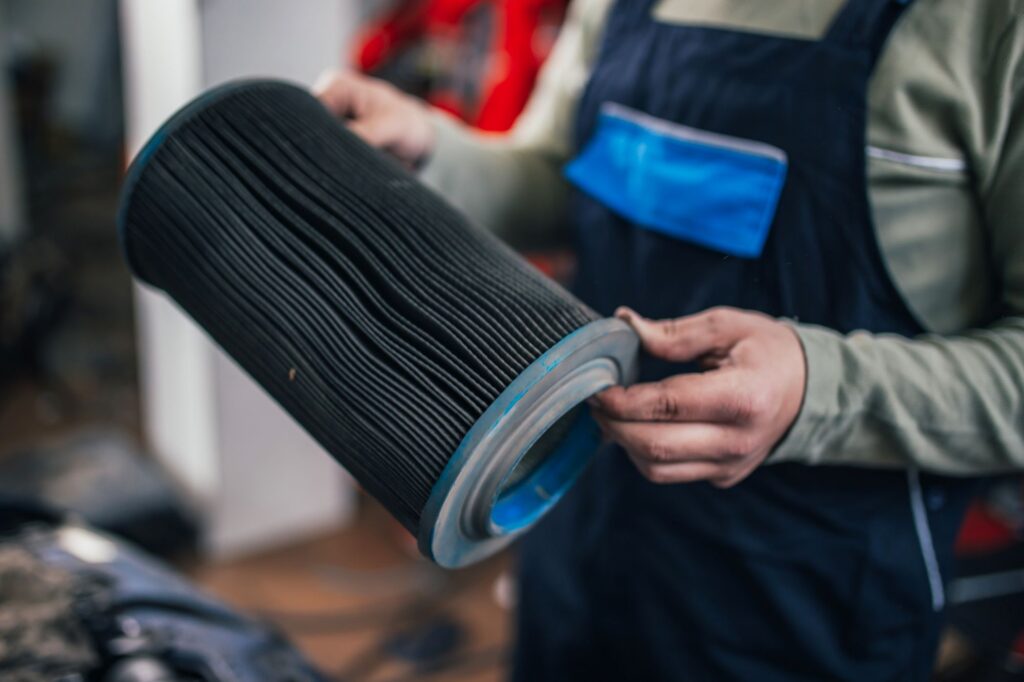
Photograph the side profile, mounting end, and opposite end. A tape measure in the photo can clarify size, but written measurements are still helpful.
3. Match the Media to Your Application
Describe the material being collected and the conditions inside the collector. Include whether the dust is dry, damp, oily, sticky, fibrous, or abrasive, along with operating temperatures and any chemical exposure.
Common media options include:
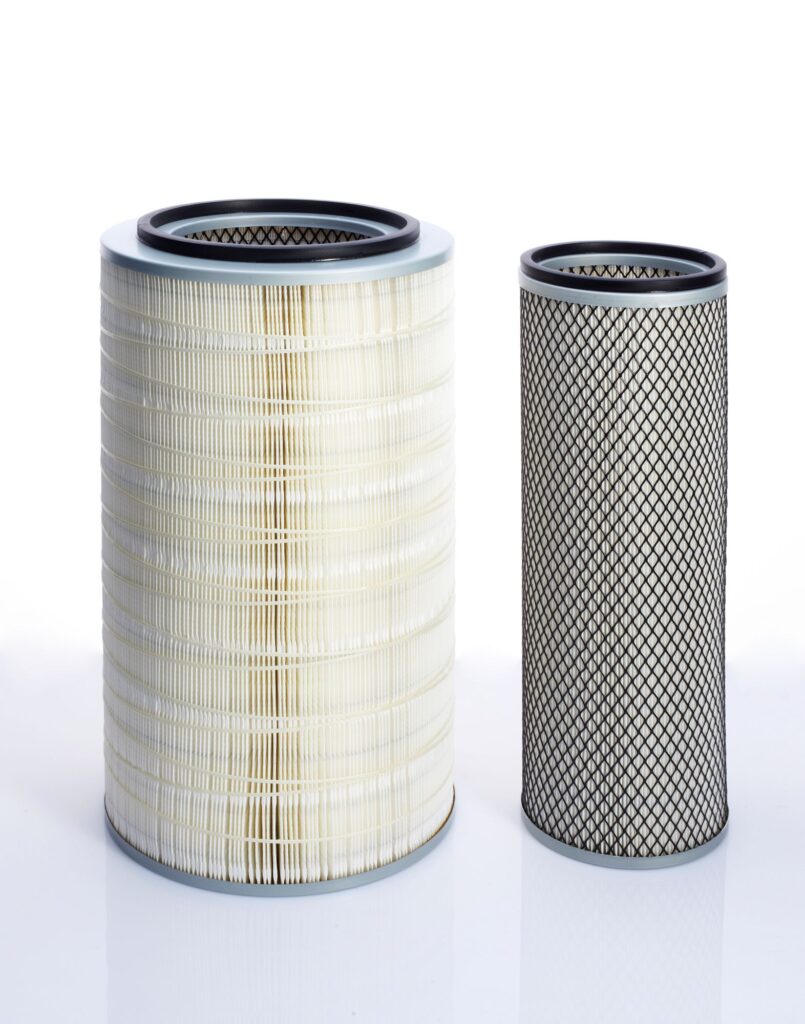
- 80/20 cellulose blend: A common choice for suitable dry-dust applications.
- Polyester spunbond: An option where greater mechanical durability or moisture resistance is needed, subject to the specific application.
- Nanofiber or specialized media: Surface layers and treatments that may improve particle capture or dust release under suitable conditions.
Media names alone do not establish suitability. Polyester does not automatically make a cartridge appropriate for oily dust, and moisture resistance does not necessarily mean the complete filter is washable.
Ask your supplier to confirm the media specification and operating limits. Our 80/20 cellulose versus polyester spunbond comparison introduces the differences between those options.
4. Check Performance and Cleaning Compatibility
A replacement should support the collector’s airflow and particle-capture requirements while working with its cleaning system.
Ask about:
- Filtration efficiency and the test method used.
- Pressure-drop information.
- Compatibility with the collector’s cleaning method.
- Temperature limits for the complete cartridge.
- Any application-specific finish or construction requirements.
Pleat design matters as well. More filter area is not automatically better if tightly spaced pleats trap material that cannot release during cleaning.
Evaluate filtration area, pleat spacing, and dust-release characteristics together. If production conditions have changed, review those changes before repeating the previous filter specification.
5. Compare OEM and Aftermarket Filters by Specification
An aftermarket cartridge may be a suitable replacement when its fit, sealing arrangement, media, and performance requirements are confirmed.
Ask for verification of the part-number cross-reference and relevant specifications. Matching length and diameter alone does not establish that two cartridges are interchangeable.
Compare purchase price alongside freight, lead time, changeout labor, and expected performance in your application. A lower-priced filter may cost more overall if it requires frequent replacement or causes production interruptions.
Any claimed improvement in filter life should have supporting evidence relevant to your operating conditions.
What to Send for a Replacement Cartridge Quote
Gather the following information:
- Current filter part number, if available.
- Collector manufacturer and model.
- Cartridge dimensions and quantity.
- Photos of the label, gasket, and both end caps.
- Dust type, temperature, and moisture conditions.
- Problems with the current filters.
- Required delivery date.
You do not need every detail before contacting us. Send what you have, and we can help identify the remaining information needed to review your options.
Find the Right Replacement Cartridge
Dust Filter Shop helps facilities identify replacement dust collector cartridges, compare media options, and select filters for their operating conditions.
Explore our dust collector cartridge filters or request a quote with your part number, measurements, and photos.